Blog How to Choose the Right Motor Oil: Viscosity Grades and API Specs Explained
How to Choose the Right Motor Oil: Viscosity Grades and API Specs Explained
Understand SAE viscosity grades, API and OEM oil specifications, and how to pick the right motor oil for your engine and climate.
Written by Herman Singh 8 min read
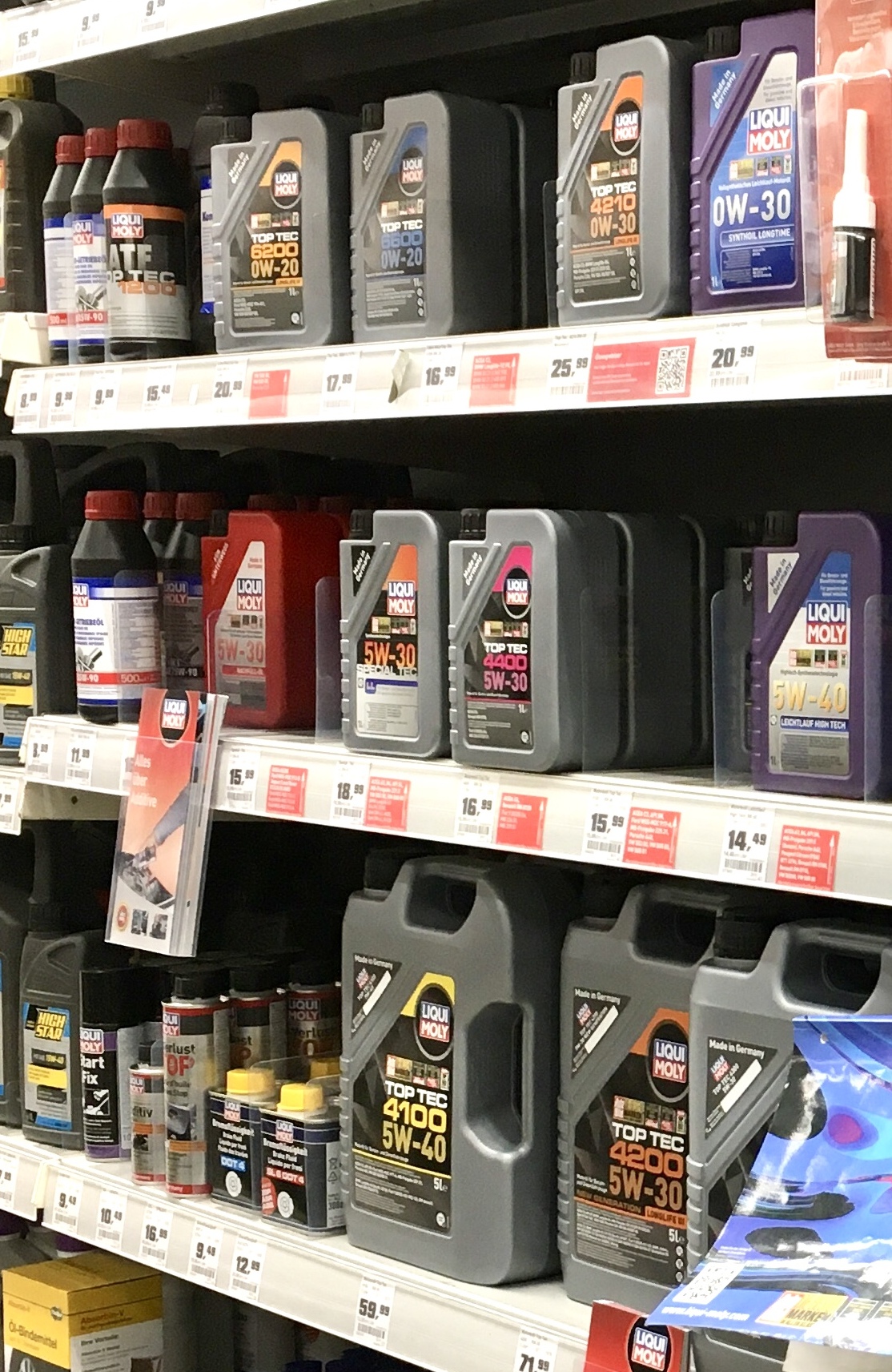
For a long time, buying motor oil was pretty simple—there weren’t many options to choose from at your local big-box store. Today, advances in synthetic oil have given drivers more choices than ever before.1 If you pick up a can of oil and read the label, you’ll notice that there are more things written that may leave you confused about what you should be putting in your engine.
I am a Mechanical Engineer with professional experience designing cars at Honda and Acura, and a racing enthusiast. Over the years, I have owned over 10 vehicles (cars, trucks and motorcycles), built by Japanese, German, Swedish, British and American manufacturers. For each one, I have had to make a decision about what oil is right.
I’ve created this guide for gasoline engines to help you understand the differences between modern oil specifications for gas, viscosity indexes, and how to choose what’s right so you can protect your engine. Plus, this guide can also save you from the extra visits to the repair shop and make it easy to know exactly when to log your next service in a car maintenance app like RevvLog.
.jpg)
Oil Viscosity
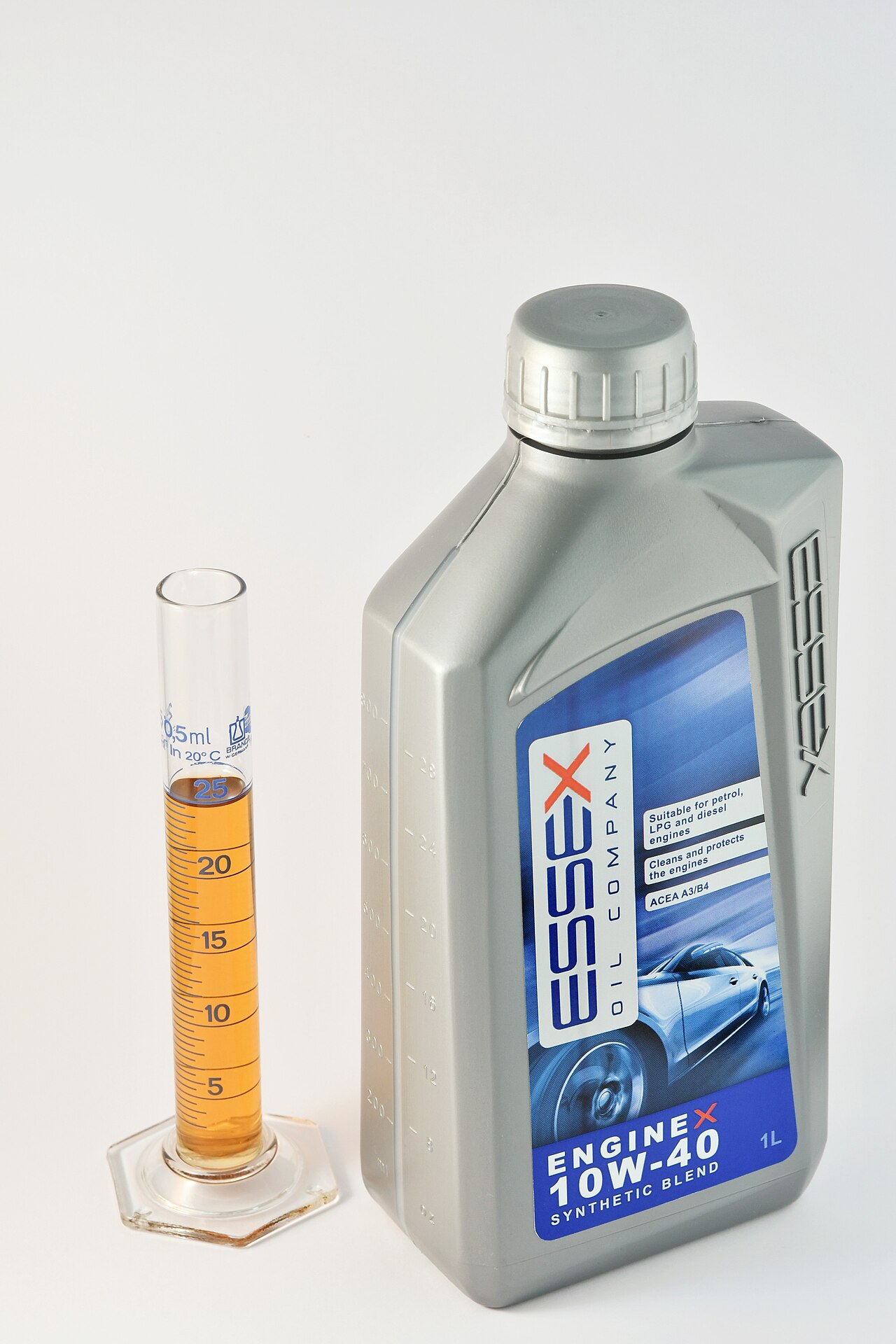

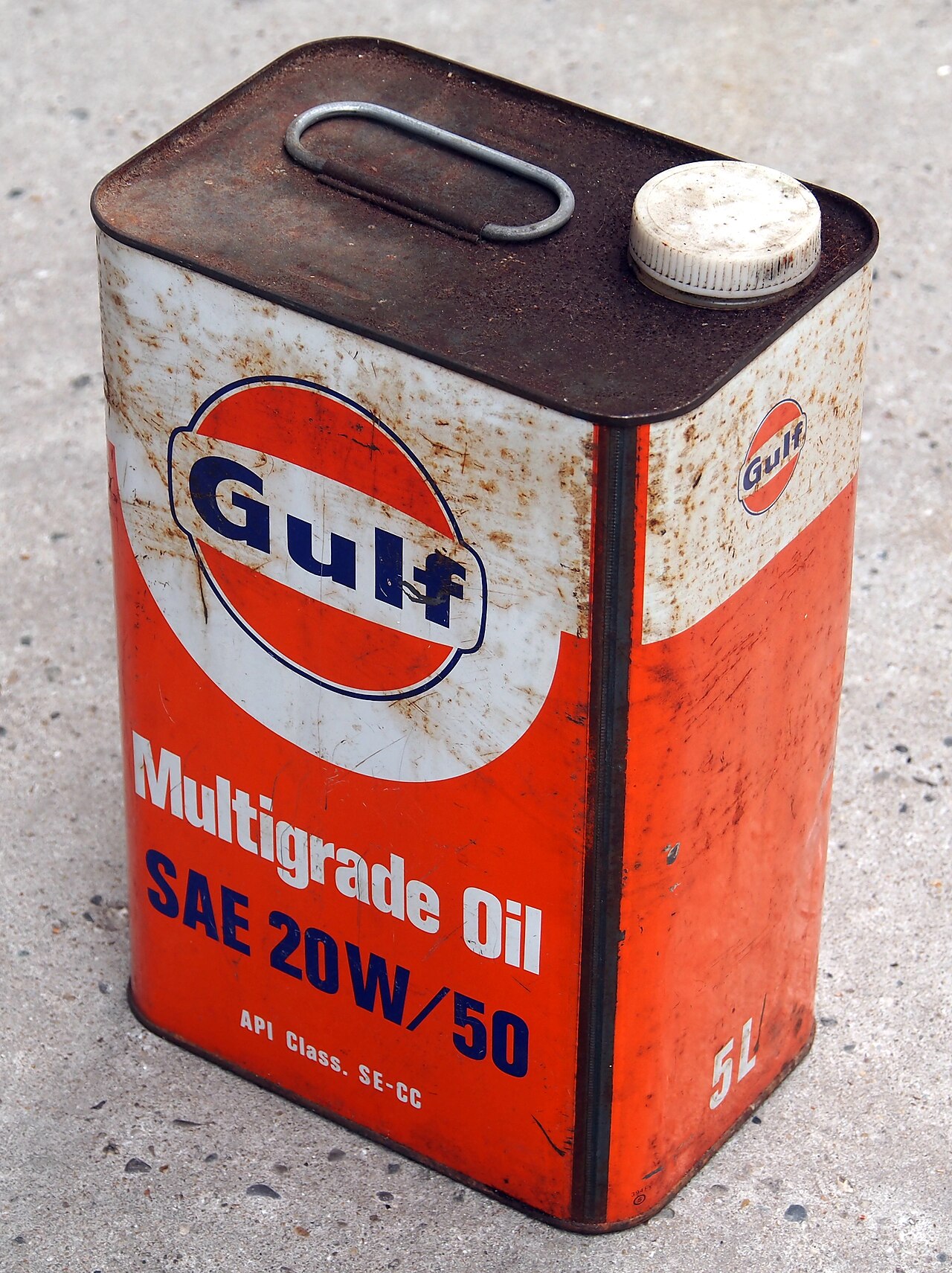
Let’s start by looking at the numbers used to describe oil viscosity. There can be one number or two numbers, e.g., SAE-40, 10W-40. They look similar, but actually they are completely different types of oil. You may hear “thin” and “thick” as a way of describing the difference between oils, but viscosity is a scientific way of measuring this phenomenoa. Viscosity is the fluidic resistance to flow calculated by measuring how much fluid travels through an orifice for a given amount of time. The more of a fluid that travels through, the lower the viscosity (more viscous), and vice versa. Water is generally considered low viscosity, whereas honey would be considered very high viscosity. While you can measure the viscosity of a fluid, it’s not always constant. You may notice that when you heat up honey, it becomes easier to pour. That’s because the viscosity decreases when the temperature of the fluid increases, When looking at an oil container and there is only one number, it is considered a monograde, and will have a high viscosity in very cold temperatures, but when at operating temperature of 100°C, it will perform like a 40-weight oil. Now compare this to 10W-40. At operating temperature, you may notice no difference in viscosity between 10W-40 and SAE40, but at cold-start temperatures (40°C), 10W-40 will have less viscosity than SAE40. These two numbers correspond to the temperatures where the oil is tested as outlined in ASTM D2270.2 The first number represents viscosity at 40°C and the second number represents the viscosity at 100°C.

Choosing the right viscosity
Because oil viscosity changes with temperature, the climate you drive your car in will determine which is best suited for your engine. For visual guides to matching grades with climate, you can use Castrol’s viscosity chart3 and the Anton Paar SAE viscosity grades table.4 Higher temperatures require more viscosity to provide the proper protection and lubrication for your engine. Likewise, colder climates will require lower viscosity oils to ensure the cold viscous oil can be pumped through every small orifice in your engine and reduce start-up wear. If you noticed over time, the cold number has been ever decreasing, while keeping the hot number high.
Generally speaking, the goal is to maximize this spread. More specifically, you should refer to your vehicle owner’s manual when choosing the right weight for your engine. One thing to consider is that many newer cars are aiming at meeting very high fuel economy targets. They do this by squeezing every efficiency they can, even running the lowest possible viscosity for EPA testing. Pumping viscous oil ends up taking more work than less viscous oils, increasing engine pumping losses, and decreasing fuel economy. However, those few extra MPG may actually be compromising the longevity of your engine. At the same time, you don’t want to just blindly increase viscosity. Properly determining how much thicker you can safely go may require some research and testing, taking oil samples during your routine changes to see how the engine wear is affected.
Oil Specifications
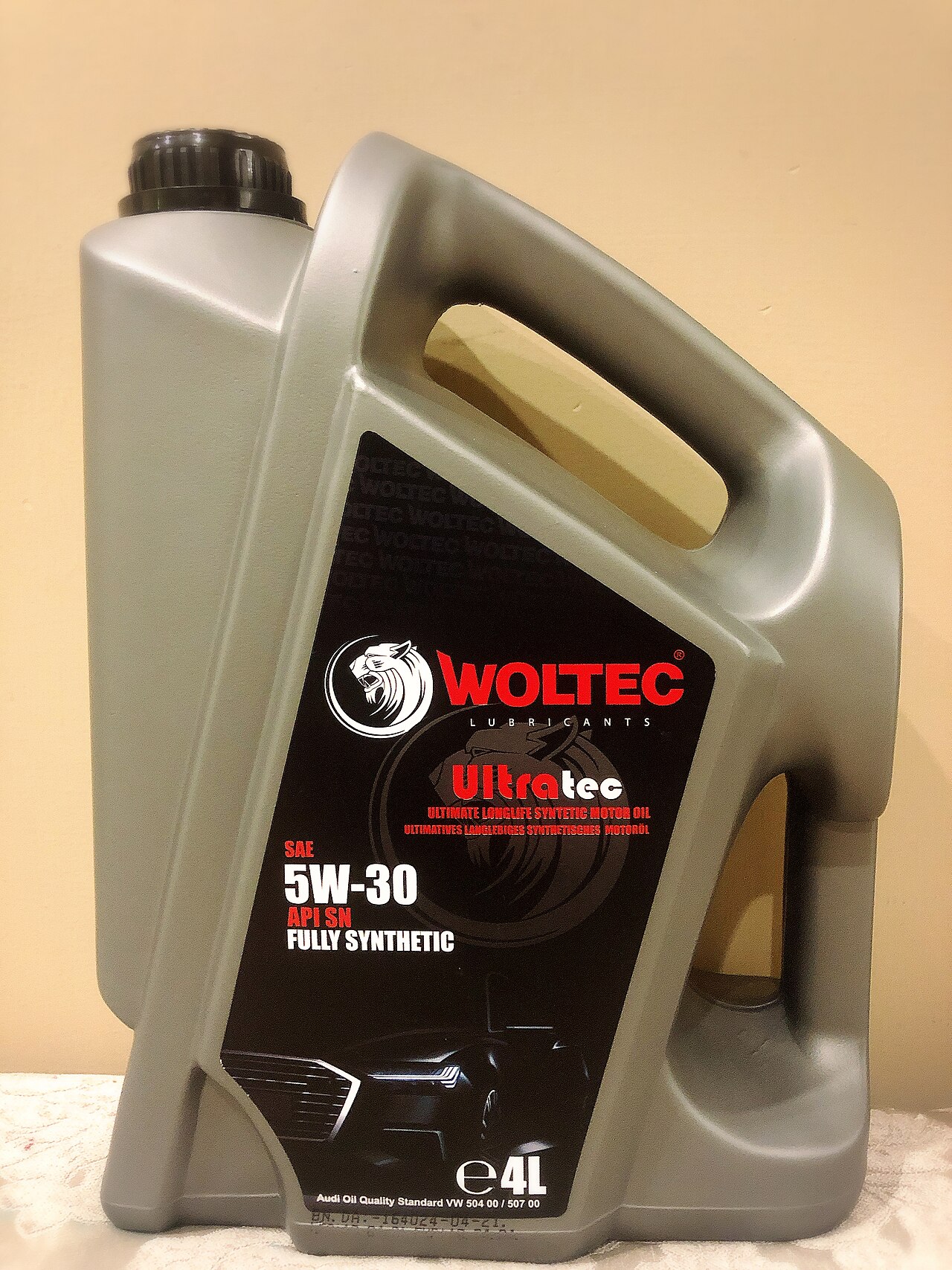

If figuring out viscosity ratings seems complicated enough, don’t worry—we’re not done yet: there are other specifications which outline how the oil performs in terms of wear, sludge, deposits, foaming, contamination, and more. These specifications have been developed by many organizations, such as American Petroleum Institute (API), European Automobile Manufacturers Association (ACEA), and even Original Equipment Manufacturers (OEMs) themselves like BMW, Mercedes-Benz, Porsche, Renault, and Ford.
Choosing the right specification
If your OEM has a specification, you should look for oils that achieve the appropriate standard. The PQIA guide to reading motor oil labels5 explains how to interpret the API Service Symbol “Donut” and other markings on the bottle. For example, on a BMW, look for BMW Longlife (LL) specification for your model year. These OEM specifications are typically more stringent than the generic standard or specifically target the needs for their engine design. As of writing this article, newest to oldest, the current API specifications are SP, SN, SM, SL, and SJ. An oil meeting the latest specification API-SP includes protections against Low-speed Pre-ignition (LSPI), timing chain wear, and high-temperature piston deposits. Any oil that meets API-SP should also meet API-SN.
Why Oil Changes Still Matter
Motor oil lubricates moving parts, carries heat away from the engine, and helps suspend contaminants so they can be filtered out. Over time, oil breaks down. Additives wear out, viscosity changes, and sludge can form. Running on old oil increases wear, reduces fuel economy, and can lead to expensive repairs.
Regular oil changes are one of the highest-return maintenance tasks you can perform. The key is changing oil at the right interval—not too late, and not so early that you waste money.
What the Manufacturer Recommends
Your owner’s manual is the best starting point. Most modern vehicles fall into one of these categories:
- Normal driving: Often 5,000–7,500 miles for conventional oil, or 7,500–10,000 miles for full synthetic
- Severe driving: Typically 3,000–5,000 miles, depending on the brand
Many manufacturers now use oil life monitoring systems that adjust intervals based on engine temperature, idle time, and trip length. If your dashboard shows an oil life percentage, follow that indicator rather than a fixed mileage rule.
Severe vs. Normal Driving Conditions
Automakers define “severe” or “special” driving more broadly than most people expect. You may qualify for shorter intervals if you regularly:
- Take mostly short trips under 5 miles
- Drive in stop-and-go traffic
- Tow trailers or haul heavy loads
- Operate in extreme heat or cold
- Drive on dusty or unpaved roads
- Idle for long periods
If several of those apply, treat your vehicle as severe-duty even if it feels like normal commuting.
Oil Type Makes a Big Difference
Conventional oil
Conventional motor oil is the most affordable option and works well for older engines with simple requirements. Typical change intervals range from 3,000 to 5,000 miles, though some newer vehicles specify longer intervals even with conventional blends.
Synthetic blend
Synthetic blends offer improved stability and protection compared to conventional oil. Many drivers can safely go 5,000 to 7,500 miles between changes, but always confirm against your manual.
Full synthetic
Full synthetic oil resists breakdown better at high temperatures and flows more easily when cold. It is the standard recommendation for many turbocharged, direct-injection, and high-performance engines. Intervals commonly reach 7,500 to 10,000 miles, and some vehicles specify up to 15,000 miles under ideal conditions.
High-mileage oil
High-mileage formulas include conditioners that can help aging seals. They do not automatically extend change intervals. Follow the same schedule your manufacturer recommends for the underlying oil type.
Mileage and Time: Use Whichever Comes First
Oil ages even when the car sits. Moisture can accumulate from condensation, and fuel dilution can occur during short trips. That is why manuals say “every X miles or Y months.”
A car driven only 2,000 miles per year still needs an annual oil change at minimum. Track both odometer and calendar date in your maintenance log so nothing slips through.
Signs You May Need an Oil Change Sooner


Do not wait for a warning light if you notice:
- Dark, gritty oil on the dipstick
- Burning oil smell inside the cabin
- Engine knocking or unusual noise at startup
- Oil change or check engine warning lights
- Excessive exhaust smoke
If any of these appear, schedule service promptly and note the symptoms in your service history.
How to Track Oil Changes Properly
Most maintenance problems come from forgetting the last service date or mileage. A paper sticker on the windshield helps, but it is easy to lose context when you own multiple vehicles or buy a used car with incomplete records.
A vehicle maintenance app solves this by storing:
- Date and mileage of each oil change
- Oil type and filter part number
- Shop name or DIY notes
- Reminders based on miles or months
RevvLog lets you set reminders by mileage or time, log receipts with OCR scanning, and see your full service history on each vehicle page—free for one asset.
Quick Reference: Typical Oil Change Intervals
| Oil type | Normal driving | Severe driving |
|---|---|---|
| Conventional | 3,000–5,000 mi | 3,000 mi |
| Synthetic blend | 5,000–7,500 mi | 3,000–5,000 mi |
| Full synthetic | 7,500–10,000 mi | 5,000 mi |
Always defer to your owner’s manual and oil life monitor when they specify different numbers.
Frequently Asked Questions
Can I go longer than the manual says if I use synthetic?
Only if your manual or oil life system supports it. Switching to synthetic does not automatically justify ignoring manufacturer limits—especially under warranty.
Does idle time count toward oil life?
Yes. Extended idling and short trips accelerate oil degradation because the engine may not reach full operating temperature long enough to burn off moisture.
Should I change oil before a long road trip?
If you are within 500–1,000 miles of your interval, changing oil before a long highway trip is reasonable peace of mind. Otherwise, a fresh oil check and top-off may be sufficient.
Bottom Line
There is no single answer to “how often should you change your oil?” Modern engines and synthetic oils allow longer intervals than the old 3,000-mile rule, but severe driving, time-based aging, and manufacturer requirements all matter.
Check your manual, respect your oil life monitor, and log every change with date and mileage. Consistent records help you stay on schedule, protect resale value, and avoid the guesswork that leads to missed maintenance.
Ready to stop guessing? Create a free RevvLog account and set your next oil change reminder in minutes.
References
- 1. Driven Racing Oil. A Complete History of Synthetic Engine Oil.
- 2. ASTM International. Standard Practice for Calculating Viscosity Index from Kinematic Viscosity at 40°C and 100°C (ASTM D2270).
- 3. Castrol USA. Oil Viscosity Grades Explained.
- 4. Anton Paar. SAE Viscosity Grades.
- 5. Petroleum Quality Institute of America. Read the Labels on Motor Oil Before You Buy.
Track Your Car Maintenance Free
RevvLog is a free car maintenance app that logs service history, fuel economy, and reminders for every vehicle in your garage.
Start Free